Starting fresh
GradientDeck Skill
No reference? The skill finds an idea in your product’s own world and plans the page around it.
skill.gradientdeck.comA free design skill for Claude Code, Codex and Cursor. Before any code, your agent finds one idea from your product’s own world and builds the whole page around it.
npx gradientdeck installFree, MIT licensedNo account, nothing collected
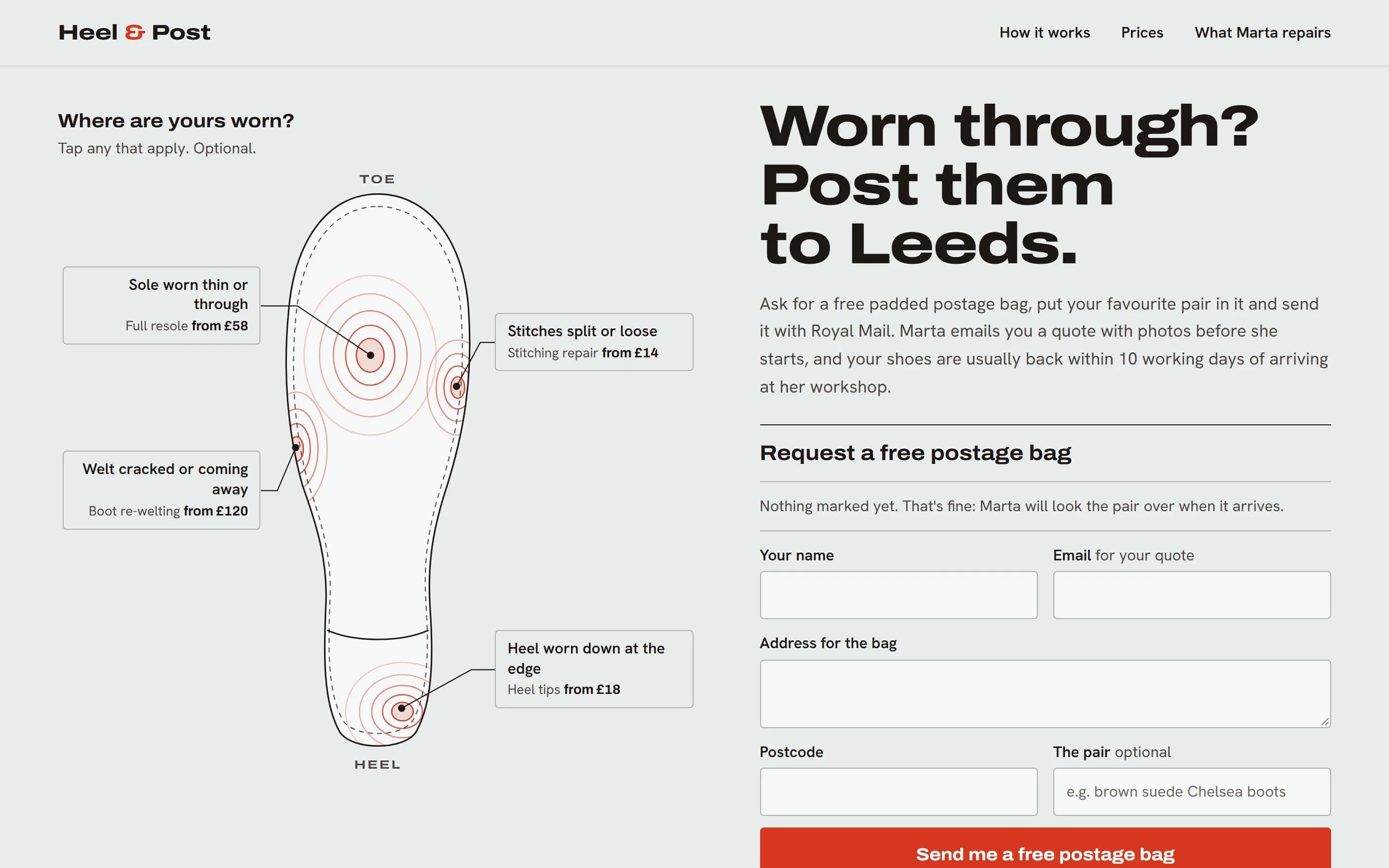
01 Heel & Post built as a sole wear map
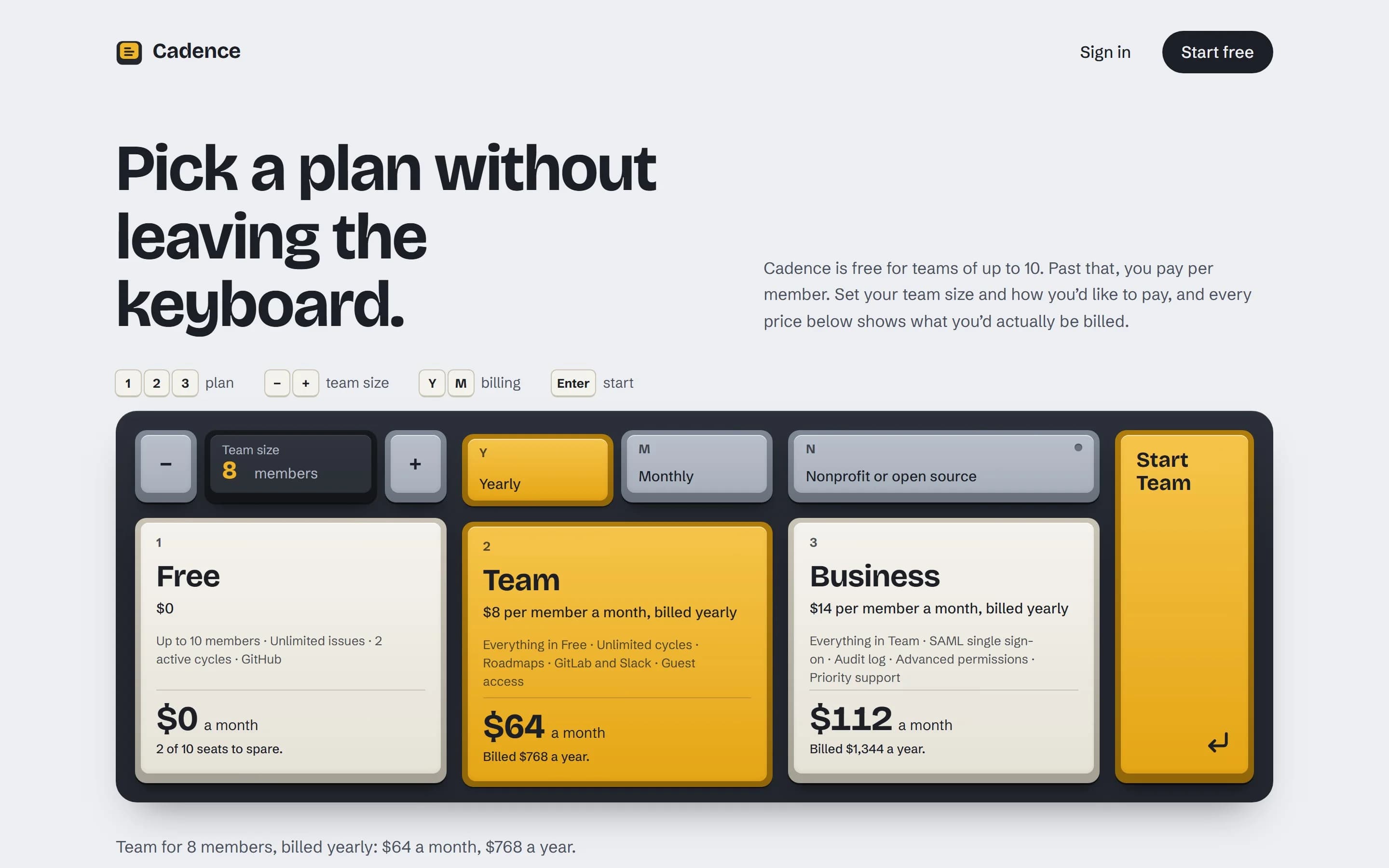
02 Cadence built as a mechanical keyboard
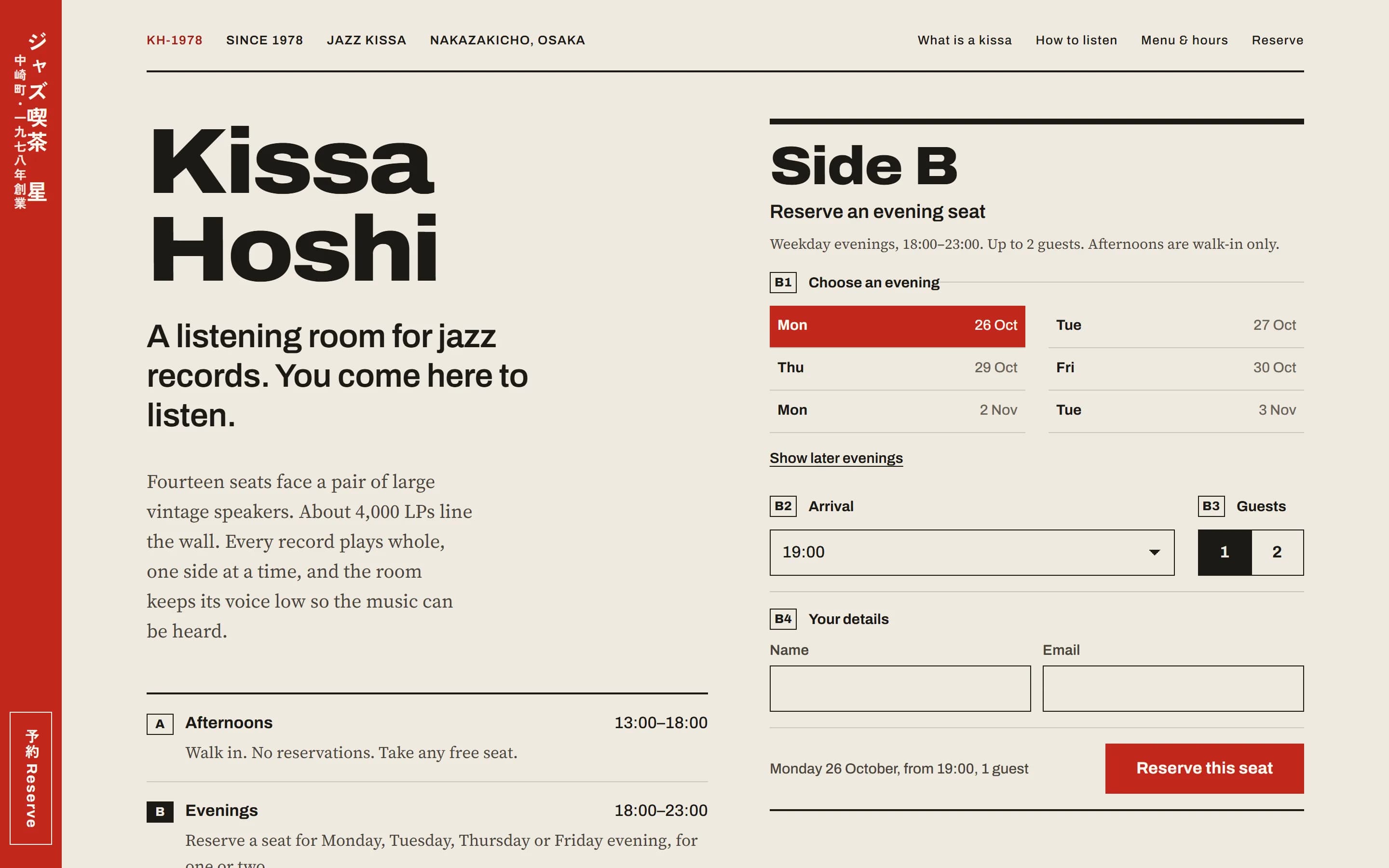
03 Kissa Hoshi built as an LP back cover
Every page here was built by an agent with the skill, in one go, with no edits afterwards.
Why we built it
Coding agents can build a page in minutes. Left alone, they build the same page every time: a centred headline, a soft gradient, three cards with icons and a row of made-up numbers.
GradientDeck UI fixed part of that by giving agents real designs to follow. But most new products don’t have a site to borrow from, and a borrowed look still isn’t yours.
So we wrote down the judgment instead: how to choose an idea that belongs to your product, plan the page around it, and check the result before calling it done.
Less of the usual page.
More of your product in it.
Without it, all three briefs came out in the same shape. With it, each one got an idea of its own.
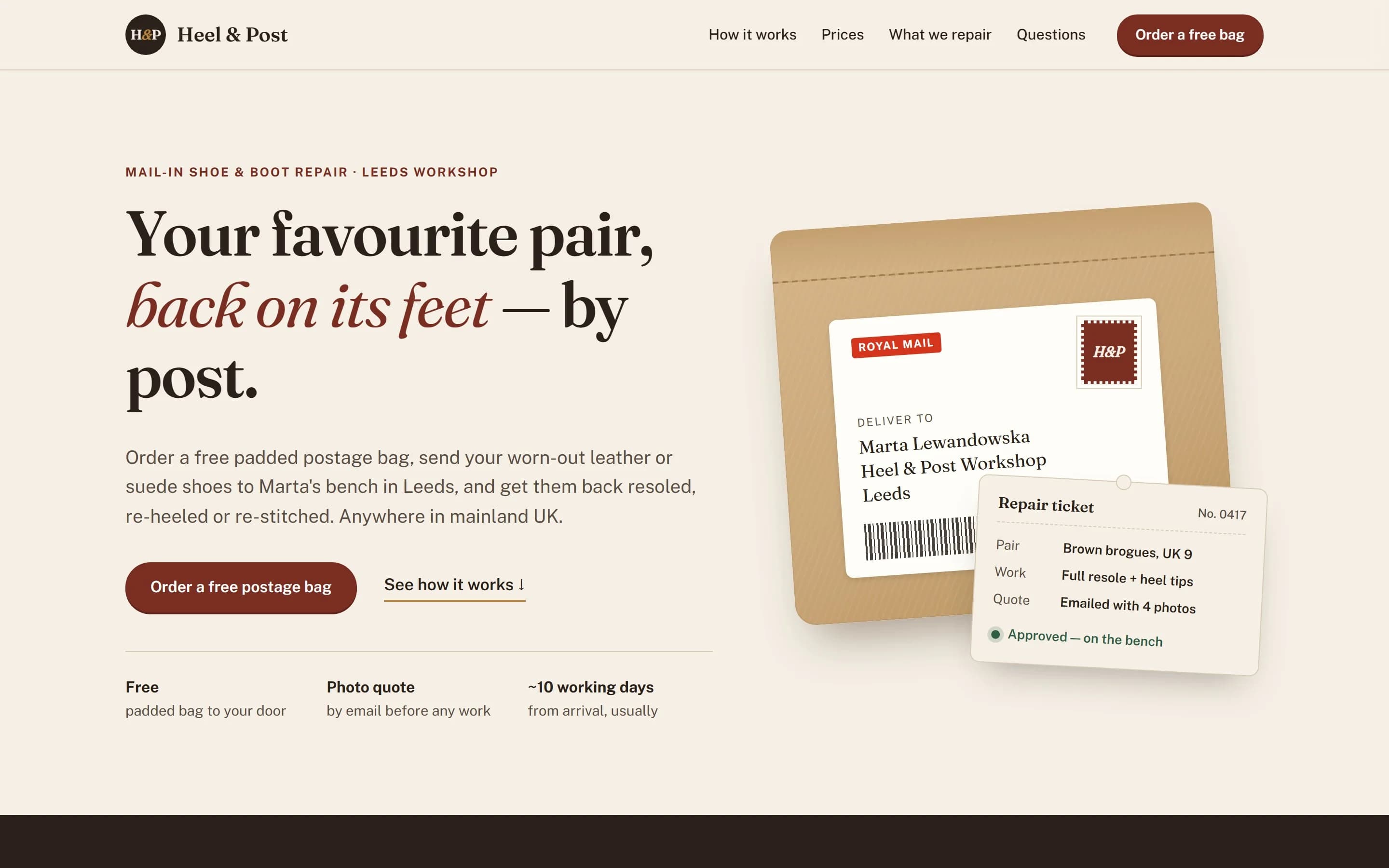
Not with a layout. The thing they came for sits at the top of the page, on a computer and on a phone.
It weighs several, then picks the one that helps visitors do what they came for, not one that only decorates.
Fonts, colours, photos and one touch people will remember, written into your project before any code.
It looks at the page on a computer, a tablet and a phone, fixes what fails and, when it can, has a fresh agent review it.
# Page plan: index

Job: Understand how the post-in repair works and
order a free padded postage bag

Ideas weighed:
  1. Cobbler's claim ticket
  2. Construction cross-section drawing
  3. Sole wear map  ← the one it built

Thesis: The page is a wear chart of a sole: the
places your pair has worn are the repairs, the
prices and the bag request at once. Refuses the
cream-and-rust 'artisan cobbler' page with a sepia
hero and a centred 'Book now'.

Type and color: Archivo wide + Hanken Grotesk.
Tried against a serif, which pulled back to the
artisan rut. Ground cool chart-grey #E8ECEB, ink
leather-black #1C1714, one signal red #D7361F for
wear and action.

Signature: Clicking a worn zone presses the sole:
rings ripple outward and the form's What's-wrong
list updates. Reduced motion: no ripple.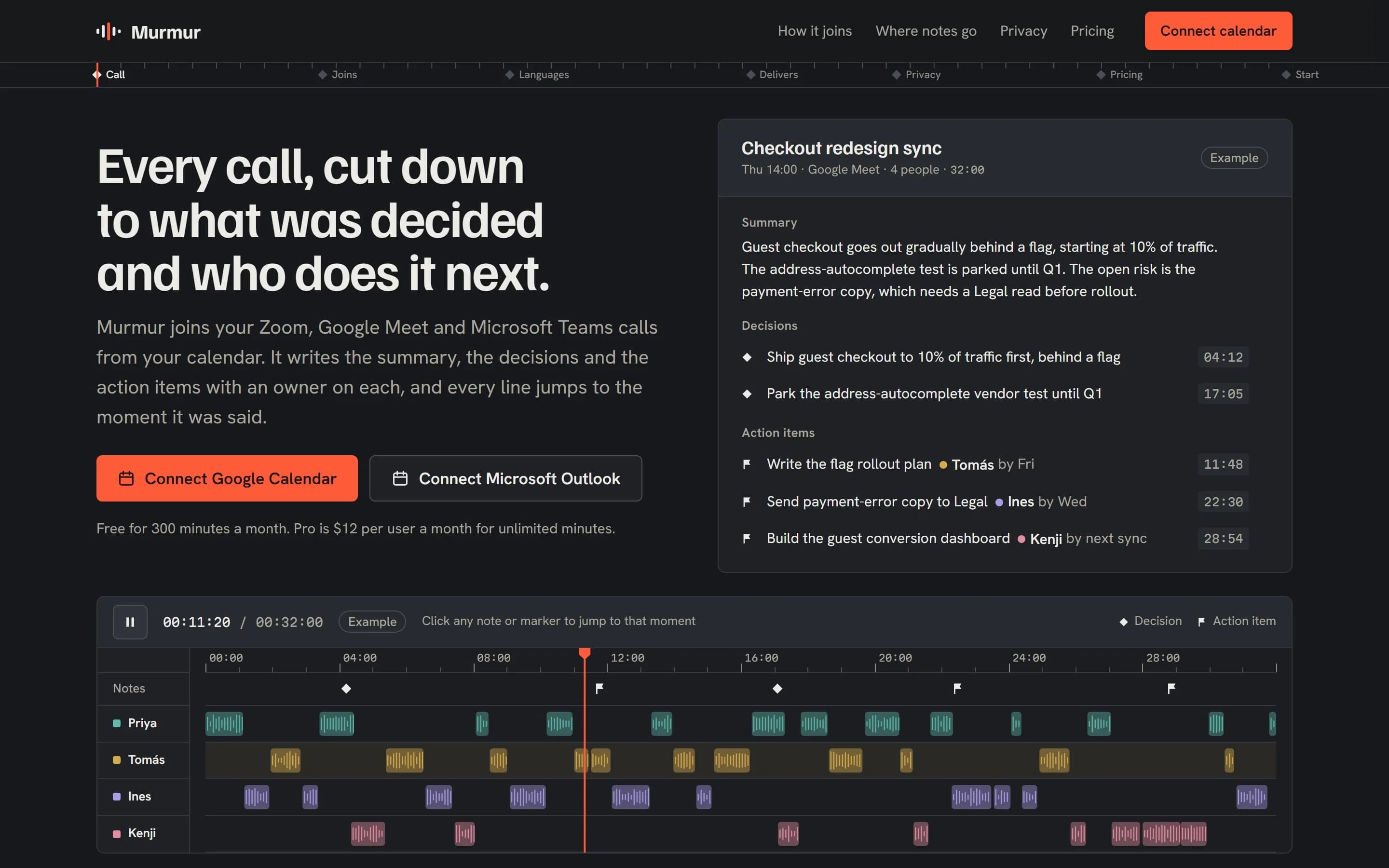
MurmurAI meeting notes, built as a film edit timeline
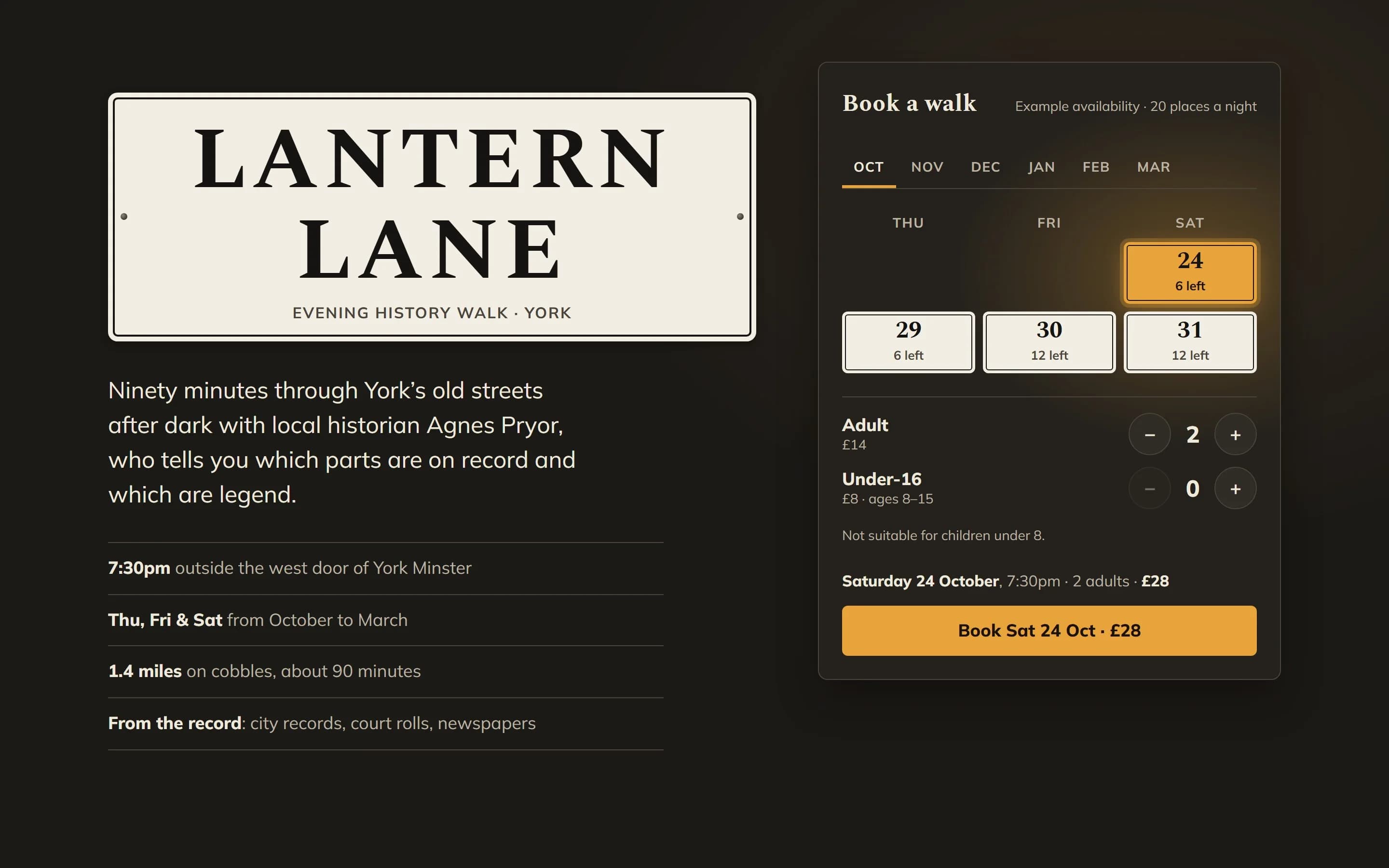
Lantern LaneAn evening history walk, built as York’s street nameplates
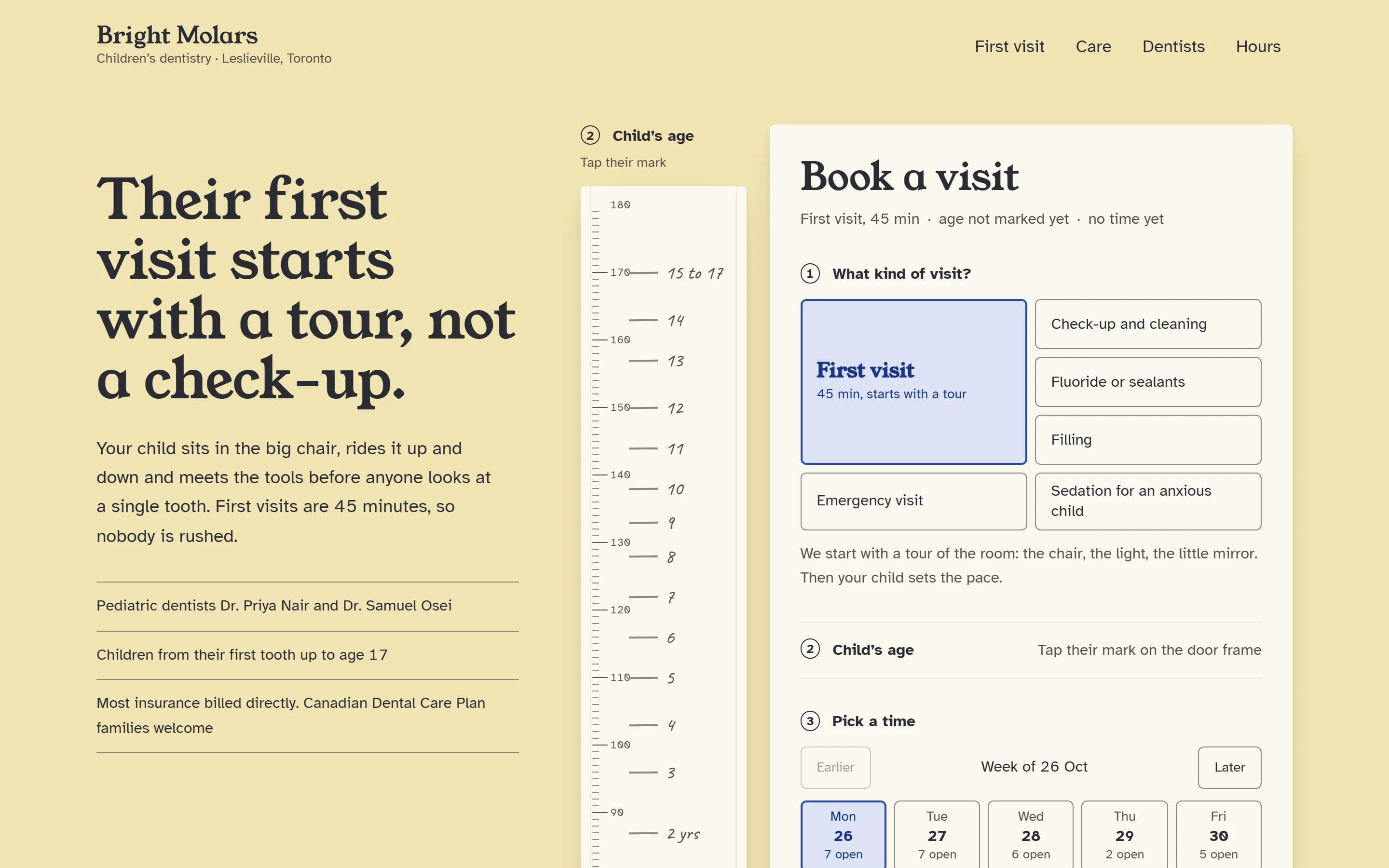
Bright MolarsA children’s dentist, built as a door-frame growth chart
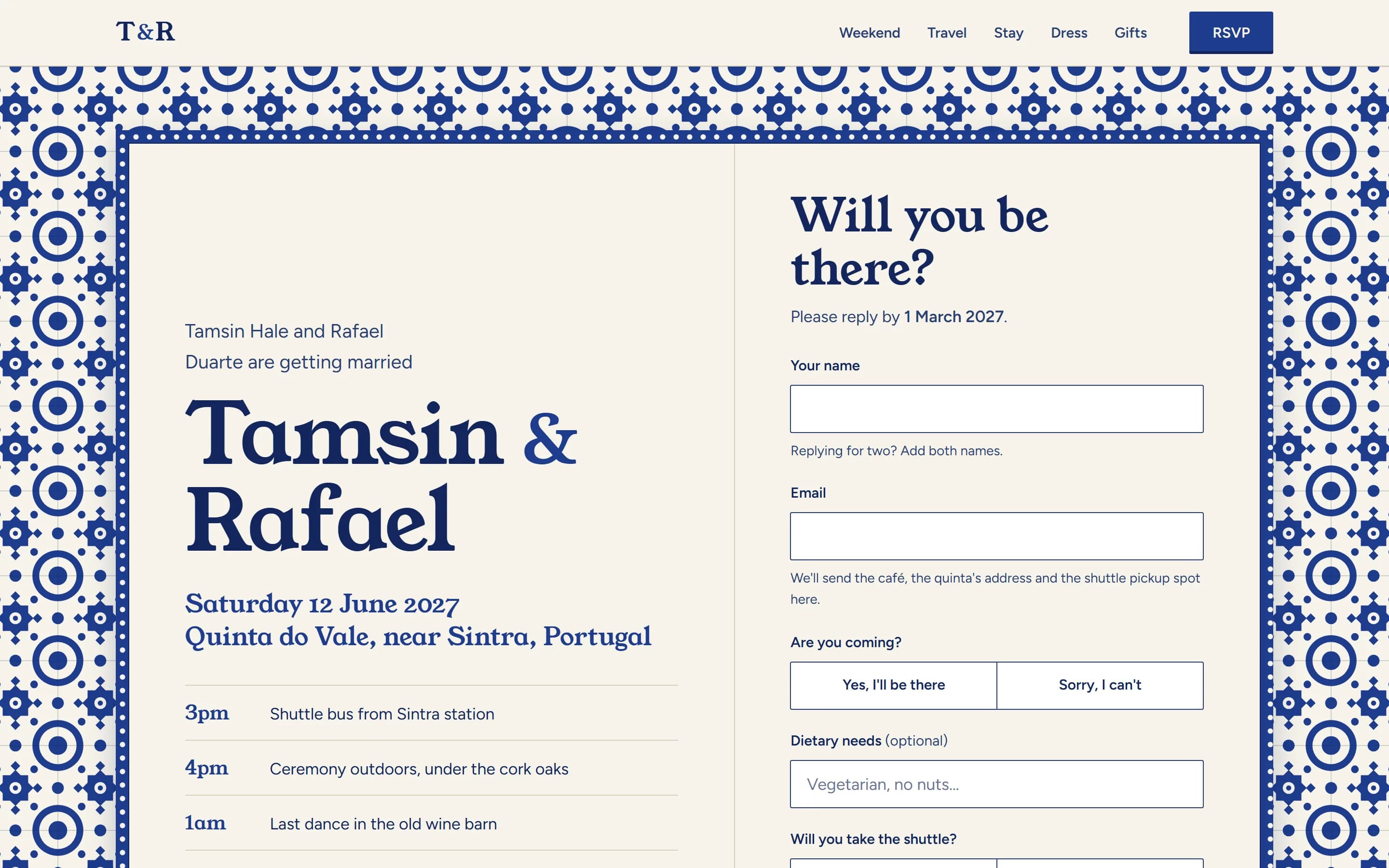
Tamsin & RafaelA wedding in Sintra, built as an azulejo tile panel
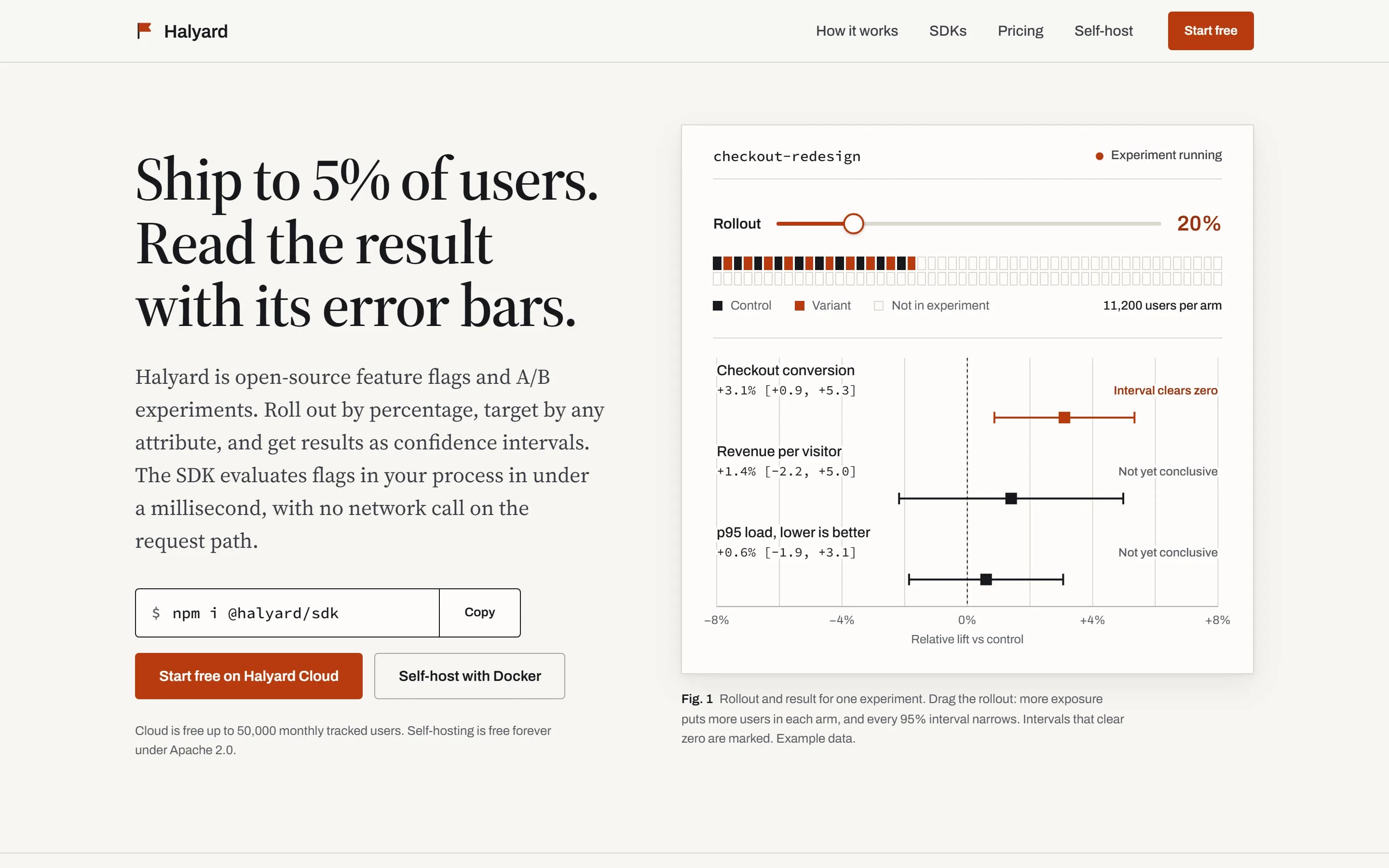
HalyardOpen-source feature flags, built as a methods paper
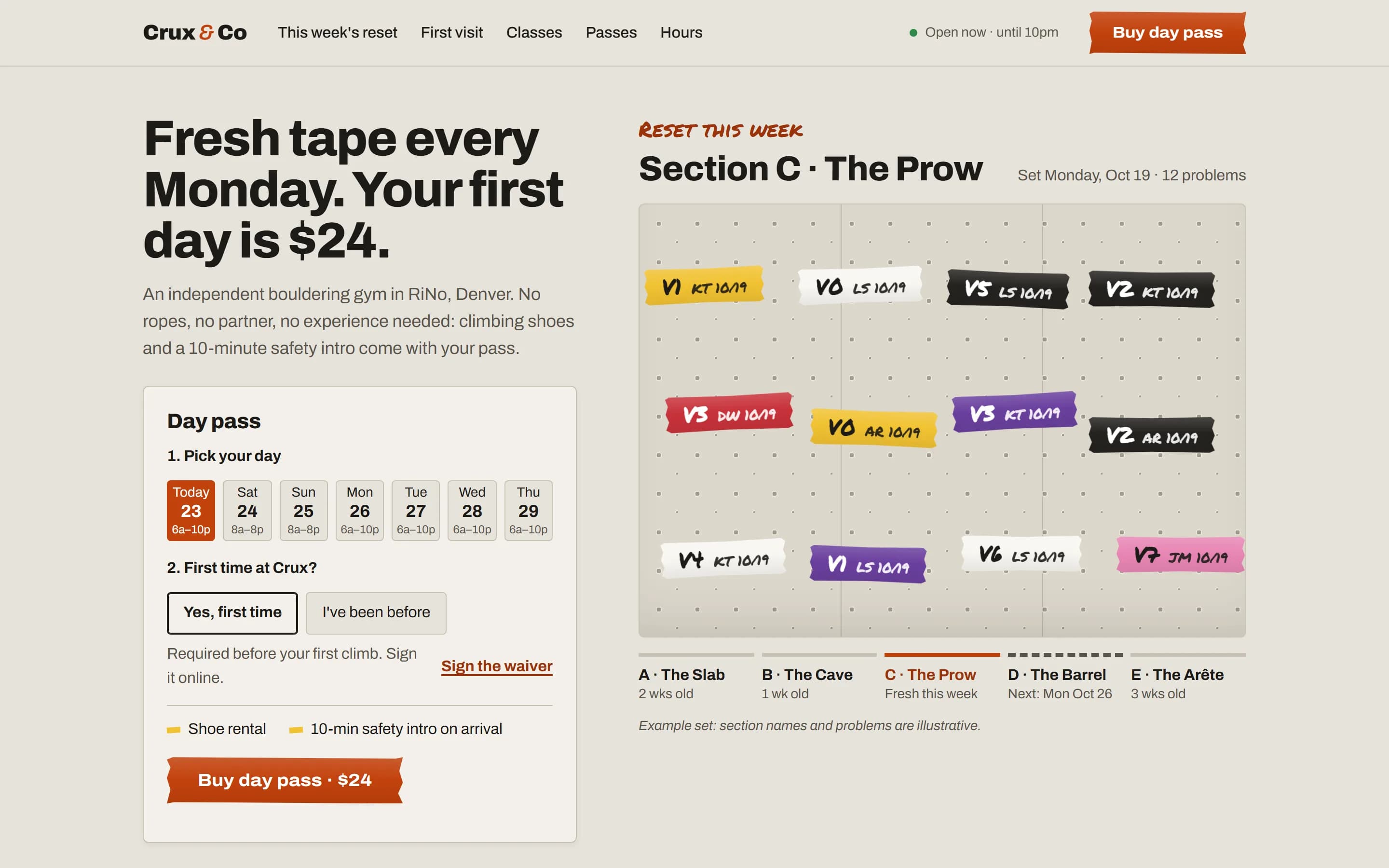
Crux & CoA bouldering gym in Denver, built as setters’ tape tags
Starting fresh
No reference? The skill finds an idea in your product’s own world and plans the page around it.
skill.gradientdeck.comHave a look you love
Pick a real website’s design as a DESIGN.md. The skill reads it first and builds within it.
Browse design systemsNo fake logos, quotes, ratings or “10,000+ teams”. If a fact is missing, it writes around the gap and tells you.
In an app that already has a look, it reuses your colours, type and components instead of starting over.
Openly licensed photos from Wikimedia Commons, with every photographer credited on the page. No stock sites.
Clear contrast, visible focus, big enough tap targets and a calmer version of every animation.
A skill is a folder of instructions a coding agent loads when a task needs it. GradientDeck Skill teaches your agent how to make design decisions, so you keep asking for pages the way you already do.
Claude Code, Codex, Cursor, GitHub Copilot, Gemini, OpenCode and most others that read skills. The installer puts it in .claude/skills for Claude Code and .agents/skills for the rest.
No. It joins in whenever your agent works on a page or screen. You can name a command, such as reroll for a new idea or polish for a final pass, when you want something specific.
No. In a codebase that already has a look, it reads your colours, type and components first and builds new screens to match. The bold ideas are for new pages.
GradientDeck UI gives your agent a design to follow, written as a DESIGN.md from a real website. The skill gives it judgment: what to build when there is no reference, and how to follow one well when there is.
Yes. It is MIT licensed, needs no account, and the installer makes no network requests and collects nothing.
One command. It works in the agent you already use.
npx gradientdeck install